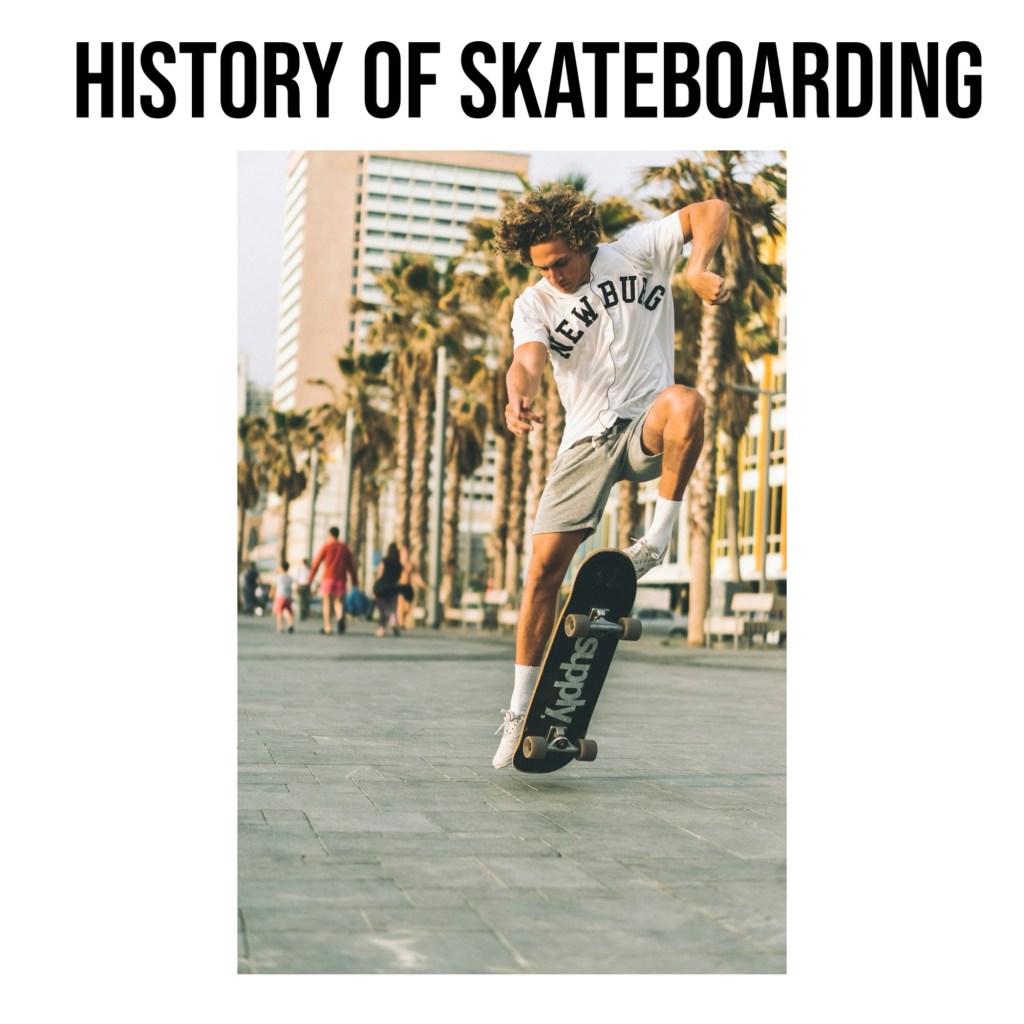
Skateboarding’s roots can be traced back to the 1940s and 1950s in California, when surfers looked for something to do when the waves were flat. These early skateboarders initially used wooden boxes or boards with roller skate wheels attached.
- Early Pioneers (1950s-1960s): The first skaters were essentially surfers on land. They mimicked surfing moves and style. Names from this era are less documented, but they were the innovators.
- The Makaha Era (1960s): With commercial skateboards appearing, sponsored skaters began to emerge.
- The 1970s Revolution: This era saw the rise of iconic figures like Tony Alva, Jay Adams, and Stacy Peralta (the Z-Boys), who revolutionized skateboarding with aggressive styles in empty pools and skateparks.
- The 1980s Street Style: As street skating took off, skaters like Natas Kaupas, Mark Gonzales, and Tommy Guerrero became influential for their innovative approaches to urban terrain.
- The 1990s Boom: This period saw the rise of legends like Tony Hawk, who popularized skateboarding with his incredible aerial tricks, and the emergence of street skating icons like Rodney Mullen, known for his technical flatland wizardry.
- 2000s-Present: Skateboarding continues to evolve with new generations of skaters pushing boundaries. Names like Nyjah Huston, Leticia Bufoni, and many others have become prominent figures in the sport.
The biggest surge in skateboarding popularity occurred in the 1990s. Several factors contributed to this boom:
- Mainstream Media Exposure: Skateboarding began to be featured more prominently in movies, television, and advertising.
- The Rise of Tony Hawk: Tony Hawk’s incredible skill and charisma helped to bring skateboarding to a wider audience. His video game series, Tony Hawk’s Pro Skater, was hugely successful and introduced skateboarding to millions.
- Increased Accessibility: Skateparks became more common, making it easier for people to learn and practice. Skateboarding equipment also became more affordable.
- Youth Culture: Skateboarding resonated with youth culture, offering a sense of freedom, creativity, and individuality.
While skateboarding has had periods of popularity before and since, the 1990s represent a peak in terms of mainstream awareness and participation.
 TAPINZY