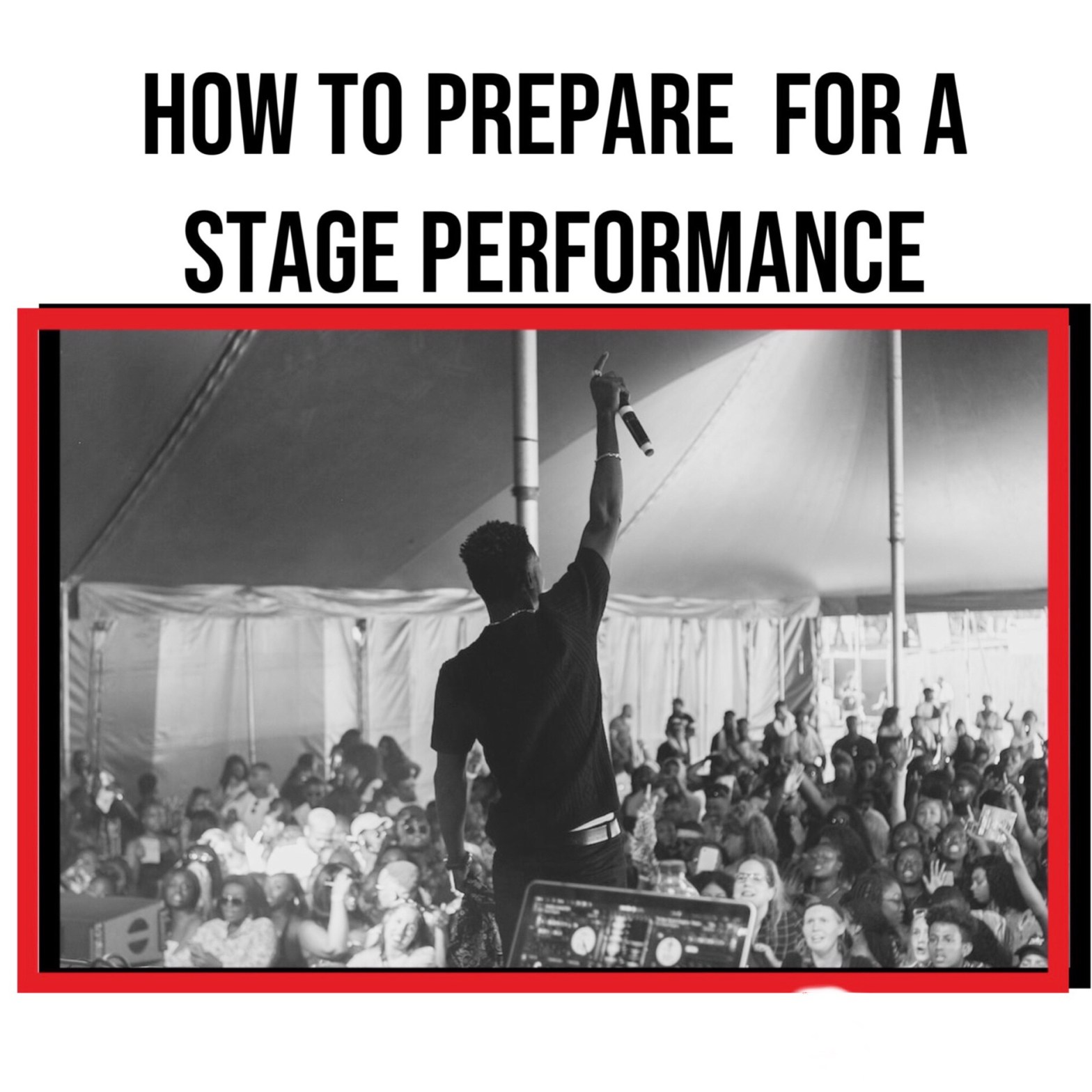
Preparing for a stage performance requires careful planning and practice. Here are some steps to help you prepare:
1. Understand the Performance: Familiarize yourself with the requirements and expectations of the performance. Read the script, study the character you’ll be portraying, and grasp the overall theme and tone of the production.
2. Rehearse Regularly: Establish a consistent rehearsal schedule and stick to it. Practice your lines, movements, and cues until they become second nature. Rehearsing with other cast members is especially important for coordinating scenes and building chemistry.
3. Memorize Your Lines: Work on memorizing your lines early in the process. Break them down into smaller sections and practice them repeatedly. Use mnemonic devices or visualization techniques to aid in memorization.
4. Study Your Character: Dive deep into your character’s motivations, backstory, and personality. Understand their relationships with other characters and how they fit into the overall narrative. This understanding will help you deliver a more authentic performance.
5. Work on Body Language and Movement: Consider how your character moves and carries themselves. Experiment with different gestures, postures, and facial expressions that reflect their personality. Practice stage blocking and transitions to ensure smooth movement on stage.
6. Develop Vocal Skills: Pay attention to your voice projection, articulation, and tone. Practice speaking clearly and with proper diction. Experiment with different vocal techniques to match your character’s voice and emotional states.
7. Seek Feedback: Share your progress with a director, acting coach, or fellow performers. They can provide constructive feedback and help you refine your performance. Be open to suggestions and make adjustments as needed.
8. Dress Rehearsals: Participate in dress rehearsals to get a feel for the costumes, props, and set design. Use these rehearsals to practice your performance in the actual performance environment.
9. Manage Stage Fright: Stage fright is natural, but there are techniques to help manage it. Deep breathing exercises, visualization, and positive self-talk can help calm nerves. Embrace the excitement and view it as energy to enhance your performance.
10. Take Care of Yourself: Maintain a healthy lifestyle leading up to the performance. Get adequate sleep, eat nutritious meals, and exercise regularly. Taking care of your physical and mental well-being will contribute to your overall performance.
Remember, preparation is key to a successful stage performance. The more you practice and immerse yourself in your character and the production, the more confident and polished your performance will be.
 TAPINZY